Let's be honest—transforming your home into a space that actually feels like you isn't just about picking paint colours and throwing cushions on a sofa. It's an investment, and if you're wondering what full home interior design costs in the UK look like in 2026, you're in the right place. Whether you're eyeing bespoke interiors for your Manchester terrace or contemplating a luxury home makeover in London, I'm breaking down everything you need to know.
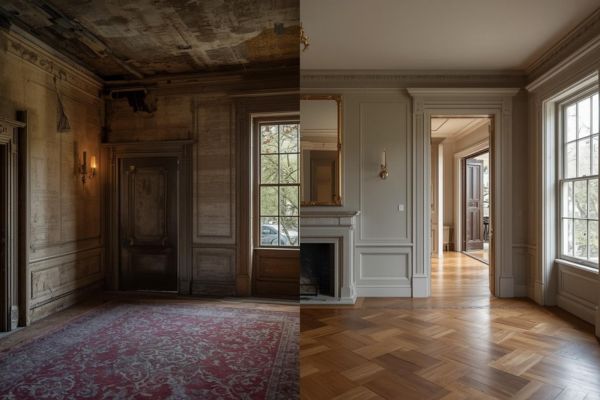
Before we dive into the numbers, let's talk about what you're actually paying for. Full home interior design isn't just someone telling you which shade of beige works best (though spatial planning and layout are crucial). It's a comprehensive service that covers everything from concept to completion.
Think of it this way: you're hiring someone to understand how you live, how you want to feel in your space, and then translate that into functional spaces that don't just look stunning in photos but actually work for your daily life. That includes:
When you work with award-winning interior designers in Manchester or anywhere in the UK, you're not just buying their aesthetic eye—you're investing in their network, their project management skills, and frankly, their ability to save you from costly mistakes.
Right, let's get into the nitty-gritty. Full home interior design costs in the UK vary wildly depending on several factors, but here's what you can realistically expect in 2026:
| Property Type | Average Design Fee Range | What's Included |
|---|---|---|
| One-Bedroom Flat | £3,000 - £8,000 | Basic spatial planning, furniture selection, colour consultation |
| Two-Bedroom Home | £6,000 - £15,000 | Full design service, bespoke elements, project management |
| Three-Bedroom Home | £12,000 - £25,000 | Comprehensive design, custom joinery, full project management |
| Four+ Bedroom Home | £20,000 - £50,000+ | Luxury service, bespoke furniture, architectural alterations |
Now, these are design fees only. The actual cost of implementing the design—furniture, materials, labour—is separate and can easily double or triple your total spend. But we'll get to that in a moment.
Here's where it gets interesting. The best interior design studio in Manchester (or anywhere, really) might use one of several pricing structures:
You get quoted a set price for the entire project. This works brilliantly if the scope is clear from the start. Most boutique interior design studios in Manchester prefer this method because it's transparent and lets you budget accurately.
Expect to pay anywhere from £75 to £250+ per hour, depending on experience and location. A luxury interior designer in London will typically be at the higher end, whilst interior designers in Manchester might be slightly more competitive. This approach works well for single room makeover services or when you need consultation only.
Some designers charge 10-20% of the total project cost. So if you're spending £100,000 on your property renovation and remodelling, the designer's fee would be £10,000-£20,000. This can feel steep, but it often means the designer is more invested in keeping costs reasonable.
The designer purchases everything at trade prices and adds a markup (usually 20-35%). You benefit from trade discounts, and the designer earns their fee through the markup. It's worth asking about this if you're working with residential homes that need extensive furnishing.
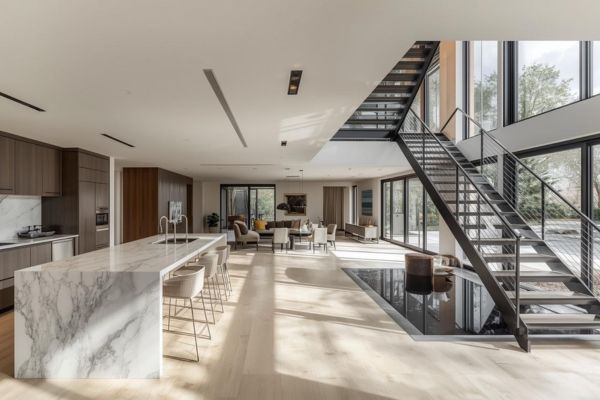
Let's be completely transparent here. When I talk about full home interior design costs in the UK, you need to think beyond just the designer's fee. Here's a realistic breakdown for a three-bedroom home in Manchester:
| Cost Component | Budget Range | Mid-Range | Luxury |
|---|---|---|---|
| Design Fees | £12,000 - £25,000 | £15,000 | £25,000+ |
| Furniture & Furnishings | £15,000 - £40,000 | £25,000 | £60,000+ |
| Lighting & Fixtures | £3,000 - £8,000 | £5,000 | £12,000+ |
| Soft Furnishings | £2,000 - £6,000 | £4,000 | £10,000+ |
| Artwork & Accessories | £1,500 - £5,000 | £3,000 | £8,000+ |
| Total Investment | £33,500 - £84,000 | £52,000 | £115,000+ |
These figures don't include any structural work. If you're doing property renovation and remodelling with walls coming down or kitchens being ripped out, add another £20,000 to £100,000+ depending on scope.
Not all projects are created equal. Here's what'll push your costs up (or bring them down):
A luxury interior designer in London will charge more than interior designers in Manchester—that's just the reality of different market rates. But honestly? Manchester's design scene has some incredibly talented studios delivering London-quality work at more sensible prices.
Want everything off-the-shelf? You'll save money. Dreaming of bespoke interiors with custom joinery and one-of-a-kind pieces? Get comfortable with higher costs. When you're creating truly functional spaces that are tailored to your exact needs, you're paying for that specificity.
Need it done yesterday? That rush will cost you. Designers charge premiums for tight deadlines, and you'll pay more to expedite furniture orders and contractor schedules.
This is where budgets balloon. If you keep changing your mind (and trust me, it happens), those revisions add up quickly. The best approach? Book an interior design consultation early, get crystal clear on your vision, and stick to it.
Award-winning interior designers in Manchester with years of experience and stunning portfolios will command higher fees than someone just starting out. But you're also paying for fewer mistakes, better contractor relationships, and designs that stand the test of time—those timeless aesthetics that won't look dated in five years.
Maybe you're not ready to commit to full home interior design costs. Fair enough. Here's what a single room makeover service typically runs:
These single-room projects are brilliant for testing the waters with a designer before committing to larger projects. It's also how many people end up falling in love with the process and eventually doing their entire home.
If you're a small business owner, you might be wondering about hospitality venue design or café interior designers in Manchester. Commercial projects operate on different scales and budgets:
For a small café or boutique, you're looking at £8,000 - £25,000 in design fees, with total project costs (including fit-out) ranging from £50,000 to £150,000+. The difference? Commercial spaces need to work harder. They're not just about aesthetics—they're about customer flow, brand identity, durability, and ultimately, helping you make money.
Interior designers for small business owners understand that every square foot needs to earn its keep. That's a different beast from residential homes, where comfort and personal expression take precedence.
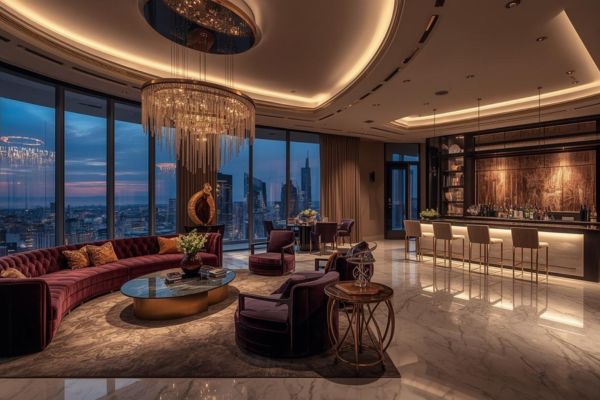
Here's where design philosophy actually impacts your wallet. Modern minimalist design isn't just an aesthetic choice—it's often a smarter financial decision.
When you embrace a "less is more" approach, you're naturally prioritising quality over quantity. Instead of filling every surface, you're investing in fewer, better pieces. That £3,000 sofa that'll last 15 years suddenly makes more sense than three £1,000 sofas over the same period.
This philosophy also means cleaner lines, fewer fussy details, and less labour-intensive installation—all of which keep costs in check whilst delivering those timeless aesthetics that won't require redoing in a few years.
Let's talk about the sneaky expenses that catch people off guard:
If you're doing significant property renovation and remodelling, you might need to store furniture. That's £100-£300 per month depending on how much stuff you've got.
Major renovations might mean you can't live at home. Budget for short-term rentals or extended stays elsewhere.
Getting rid of old furniture and fittings isn't free. Expect £200-£800 for a full house clearance.
Protecting your investment through proper insurance and extended warranties on furniture and appliances adds up but gives you peace of mind.
You've done the big stuff, but it's those final accessories—cushions, throws, plants, books, artwork—that make it feel finished. Budget at least 5-10% of your furniture costs for these finishing touches.
Right, you've got the numbers. Now, how do you actually make this work without selling a kidney?
You can't have champagne tastes on a lemonade budget everywhere. Decide what matters most. Maybe it's a show-stopping living room but a simpler bedroom. Or perhaps you're investing heavily in the kitchen because that's where you actually live. Be ruthless about this.
Who says you have to do everything at once? Many people tackle their homes in phases—main living areas first, then bedrooms, finally outdoor spaces. This spreads costs over time and lets you save up between phases. Plus, you can live in the space and understand what really works before moving to the next area.
This might seem counterintuitive—paying more for project management—but it genuinely saves money. A good designer managing contractors prevents costly mistakes, catches issues early, and keeps things on schedule (delays always cost more).
Here's a secret: not everything needs to be high-end. Invest in the pieces you'll use daily—your sofa, your bed, your dining table. Save on accessories and pieces that are easier to swap out. That £50 side table can look absolutely stunning next to a £3,000 sofa when styled properly.
Cheap often means replacing things sooner. A well-designed space using quality materials maintains its value and actually costs less over time. Those bespoke interiors you create now should still feel fresh and functional in 10-15 years.
If you're serious about creating a home that actually reflects who you are whilst making smart financial decisions, it's time to talk to professionals who understand both design and budgets. Modern Minimalist Muse specialises in creating functional, beautiful spaces that work for real life—not just Instagram.
Look, I'm not going to tell you that everyone needs a full home interior design service. If you're happy with IKEA and have a good eye, crack on. But if you've ever stood in the middle of your living room feeling utterly overwhelmed, or bought something expensive that just doesn't work, or lived in a space that never quite feels right—then yes, it's worth it.
The value isn't just in the pretty pictures. It's in the functionality. The way your home actually works for your life. The fact that you're not repainting in two years because you picked the wrong colour. The money you save by not making costly mistakes.
When you work with a boutique interior design studio in Manchester or anywhere else, you're essentially paying for someone to condense years of experience, training, and mistakes into a smooth process that delivers exactly what you need.
For a three-bedroom home, budget £35,000 - £85,000 total (including design fees and furnishings). That's mid-range. If you're looking at luxury homes with bespoke everything, you could easily spend £100,000 - £200,000+. For a smaller property or if you're being budget-conscious, you might do it for £20,000 - £35,000.
Honestly? Sometimes. It depends on the designer's workload and your project scope. You're more likely to negotiate on timeline or payment structure than the actual rate. Many designers offer package deals or can adjust the scope of services to fit your budget rather than dropping their fees.
Interior designers handle spatial planning, technical drawings, and often work on structural changes. They're qualified professionals who understand building codes and regulations. Decorators focus on aesthetics—furniture, colours, styling—without the technical side. For full home projects involving layout changes, you need a designer.
Design phase: 6-12 weeks. Implementation: 3-6 months for furnishings and styling, longer if you're doing property renovation and remodelling with structural work. So realistically, expect 6-12 months from initial consultation to completion for a full home project.
You don't need one, but you might want one. Even without structural changes, a designer ensures everything works together cohesively, helps you avoid expensive mistakes, and makes the process far less stressful. Many people do a single room makeover service first to see the value before committing to more.
Beyond portfolio (which should excite you), look for clear communication, someone who actually listens to your needs, transparent pricing, relevant experience (especially if you're doing luxury homes or specific project types), and good references. The relationship matters—you'll be working closely with this person for months.
Full home interior design costs in the UK aren't small—we've established that. But neither is the value of living in a space that genuinely works for you, feels like you, and brings you joy every single day.
Whether you're after bespoke interiors in a Manchester townhouse, modern minimalist design in a London flat, or simply want to transform your residential home into something that feels right, the investment is as much in the process as the result.
The key is being realistic about what you can afford, clear about what you actually want, and smart about how you spend. Work with designers who understand your vision and your budget. Don't be afraid to phase projects. Invest in quality where it matters and save where it doesn't.
And remember: your home is probably your biggest financial investment anyway. Spending 5-15% of its value to make it somewhere you actually want to be? That's not extravagance—that's just good sense.
Want to explore what's possible for your space? Get in touch with award-winning interior designers in Manchester who can help you navigate these decisions with clarity, creativity, and a proper understanding of what works in the real world.
Because at the end of the day, you deserve a home that's more than just walls and furniture. You deserve functional spaces that enhance your life, timeless aesthetics that make you smile, and a design that tells your story—whatever your budget happens to be.
Modern Minimalist Muse
Interior Design Studio | Manchester, UK
Phone: +44 7592 544586 | Email: info@modernminimalistmuse.com
modernminimalistmuse.com